
News

The Future of Urban Logistics: Solving the Last-Mile Delivery Puzzle
The Future of Urban Logistics: Solving the Last-Mile Delivery Puzzle
The evolution of urban logistics is at a pivotal juncture, driven by the surge in e-commerce, changing consumer expectations, and the global emphasis on sustainability. The last-mile delivery challenge, representing the final step in the logistics chain — delivering items to the end-user — has become more complex and critical in densely populated areas. This blog post delves into the innovative solutions and emerging challenges in urban logistics, focusing on creating sustainable and efficient last-mile delivery systems.
The Rise of E-Commerce and Urbanization:
The e-commerce boom, further accelerated by the COVID-19 pandemic, has significantly increased the volume of deliveries worldwide, particularly in urban areas. This surge, coupled with urbanization trends, has placed immense pressure on existing urban logistics networks. Consumers now expect faster, more flexible, and environmentally friendly delivery options, pushing the logistics sector to innovate rapidly.
Challenges in Urban Logistics:
The density of urban environments, along with traffic congestion and limited access to certain areas, exacerbates the complexity of last-mile delivery. Furthermore, the increasing awareness of environmental issues has led to stricter regulations on urban transportation, including emissions standards and access restrictions for delivery vehicles.
Additionally, the urban infrastructure, often designed without considering the current e-commerce-driven delivery volume, struggles to accommodate the influx of delivery vehicles, leading to inefficiencies and increased carbon footprints.
Innovative Solutions for Efficient Last-Mile Delivery:
1. Micro-Fulfillment Centers and Urban Warehousing: One solution gaining traction is the establishment of micro-fulfillment centers within city limits or the utilization of urban warehousing. These strategically located distribution points help reduce travel distances for last-mile deliveries, enabling quicker and more efficient delivery services.
2. Electric and Alternative Fuel Vehicles: To address environmental concerns, companies are increasingly deploying electric vehicles (EVs) and vehicles powered by alternative fuels for last-mile deliveries. These vehicles produce fewer emissions and are often exempt from certain urban traffic regulations, making them ideal for city deliveries.
3. Drone Deliveries and Autonomous Vehicles: Drones and autonomous delivery vehicles present a futuristic yet increasingly realistic solution to urban delivery challenges. These technologies promise to reduce congestion and emissions by taking delivery vehicles off the roads and automating the delivery process. Trials in various cities have shown promising results, although widespread adoption faces regulatory and safety hurdles.
4. Crowdsourced Delivery Networks: Leveraging local residents or commuters to deliver packages as they go about their daily routines offers a flexible and scalable solution to last-mile challenges. This method, known as crowdsourced delivery, can reduce delivery times and costs while offering gig economy opportunities.
5. Advanced Data Analytics and AI: Utilizing big data, analytics, and AI can optimize delivery routes, predict delivery windows more accurately, and manage logistics operations dynamically. This technology-driven approach leads to more efficient use of resources and better customer satisfaction.
The Path Forward:
The future of urban logistics requires a multifaceted approach, blending technology, policy, and innovative business models. Collaboration between logistics companies, city planners, and technology providers is crucial to develop sustainable urban logistics ecosystems that meet the needs of modern cities and their inhabitants.
Sustainable and efficient last-mile delivery is not just a logistic challenge but an opportunity to reimagine urban living spaces, reduce environmental impact, and enhance the quality of urban life. As we look to the future, the logistics industry’s role in shaping sustainable urban environments has never been more critical. The journey to solving the last-mile delivery puzzle in urban logistics is complex, but through innovation, collaboration, and commitment to sustainability, a more efficient and environmentally friendly future is within reach.

Revolutionizing Supply Chain Management with 5G Technology
The Impact of 5G on Supply Chain Operations: A Game-Changer in Real-Time Efficiency and Connectivity
The advent of 5G technology marks a transformative era for supply chain management, promising to revolutionize how goods are moved, tracked, and delivered across the globe. With its unparalleled speed, near-zero latency, and massive connectivity capabilities, 5G is set to address some of the most persistent challenges in supply chain operations, from real-time tracking to IoT integration, ushering in a new level of efficiency and reliability.
Real-Time Tracking and Visibility:
One of the most significant impacts of 5G on supply chain operations is the enhancement of real-time tracking systems. For instance, Maersk, one of the world’s leading shipping companies, has begun to implement 5G technology to provide customers with real-time data on cargo location, temperature, and movement through IoT devices. This level of visibility allows companies to make informed decisions quickly, reduce waste, and improve customer satisfaction by ensuring timely deliveries.
Enhanced IoT Connectivity:
The Internet of Things (IoT) plays a pivotal role in modern supply chains, and 5G’s ability to connect more devices simultaneously with minimal latency is a game-changer. Consider the smart warehouses of Amazon, where 5G networks facilitate the seamless operation of thousands of robots, sensors, and IoT devices, working in concert to optimize inventory management and reduce order processing times. This connectivity enables the automation of complex tasks, from stocking shelves to preparing shipments, with unprecedented speed and accuracy.
Faster, More Reliable Communication:
5G technology also promises to improve communication within the supply chain. For example, FedEx has explored the use of 5G to enhance communication between its distribution centers and delivery vehicles. This ensures that any changes in delivery schedules or routes can be communicated instantly, reducing delays and increasing the adaptability of delivery networks. Moreover, 5G facilitates the use of augmented reality (AR) for training and maintenance, allowing technicians to receive real-time guidance and information, thus minimizing downtime.
Overcoming Challenges:
While the benefits are clear, the integration of 5G into supply chain operations is not without its challenges. The need for significant infrastructure investment, concerns over data security, and the complexities of integrating 5G with existing technologies are hurdles companies must overcome. However, proactive companies are already addressing these challenges head-on, working closely with technology providers to ensure a smooth transition.
The Road Ahead:
The rollout of 5G networks represents a pivotal shift in supply chain management, offering the potential to significantly enhance efficiency, visibility, and reliability. As companies continue to explore and implement 5G technologies, we can expect to see more innovative applications that will further optimize supply chain operations. The future of supply chain management is not just about moving goods from point A to point B; it’s about doing so in the most efficient, transparent, and reliable way possible, and 5G is the key to unlocking this potential.
The impact of 5G on supply chain operations is a testament to the power of technological advancement in driving business innovation and operational excellence. As we move forward, the integration of 5G into supply chain strategies will not only be a competitive advantage but a necessity for those looking to lead in the logistics and transportation industry.
Strategic Adaptation in Red Sea Logistics: Navigating Geopolitical Uncertainties
Introduction:
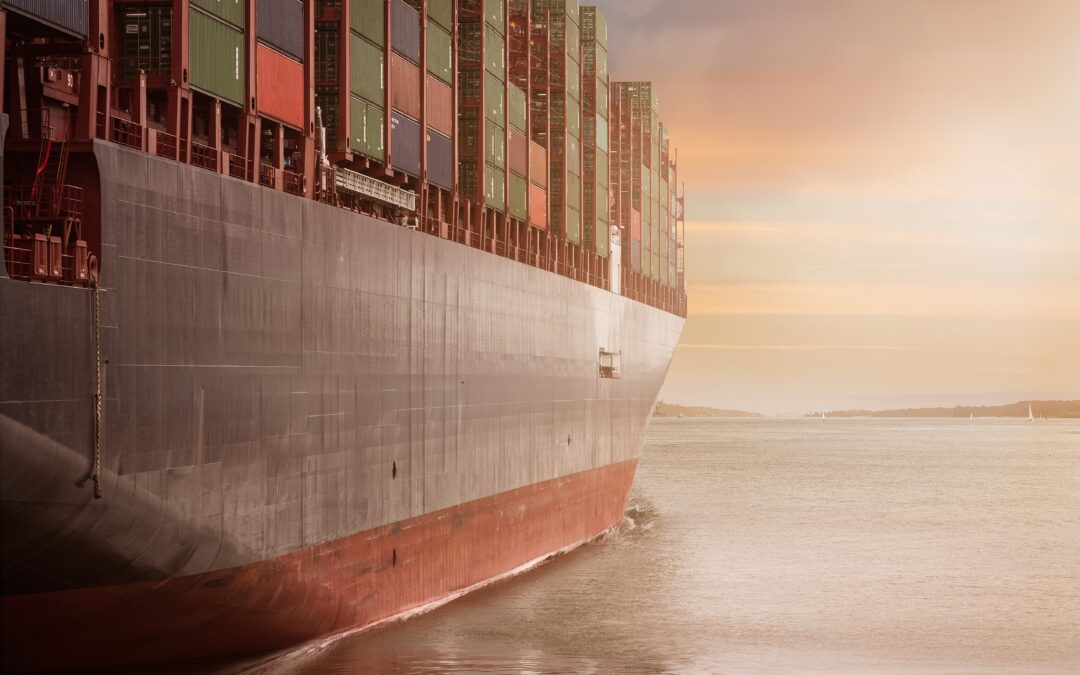
The Red Sea, a crucial artery for global commerce, has recently become a focal point of geopolitical tension and operational disruptions. Logistics and supply chain companies operating in this vital region face an increasingly complex landscape, with recent suspensions highlighting the vulnerability of this maritime corridor. This blog post delves into the strategic outlook for these companies, exploring the future prospects amid evolving geopolitical dynamics, potential scenarios for disruptions, and adaptive strategies to ensure supply chain continuity.
The Evolving Geopolitical Landscape:
The Red Sea region, connecting the Mediterranean Sea to the Indian Ocean via the Suez Canal, is not just a strategic chokepoint for oil shipments and global trade; it’s also a zone of geopolitical friction. Recent years have seen an uptick in regional tensions, notably involving the Houthi movement’s actions, affecting maritime operations. These developments, coupled with piracy and territorial disputes, underscore the complex security challenges facing shipping and logistics operations.
Anticipating Future Disruptions:
The suspension of operations by major logistics companies like CMA CGM and Maersk, following targeted attacks, signals a pressing need for a reevaluation of risk management practices. The potential for further disruptions looms large, driven by the unpredictability of regional conflicts and the strategic importance of the Red Sea route. Companies must remain vigilant, preparing for a range of scenarios from minor disruptions to significant blockades impacting global supply chains.
Adaptive Strategies for Logistics Companies:
- Enhanced Risk Assessment and Intelligence Sharing: Logistics companies must invest in real-time intelligence and risk assessment capabilities to navigate the volatile security landscape. Collaborating with international maritime security agencies and sharing intelligence with industry peers can offer early warnings and mitigation strategies.
2. Diversification of Routes and Modes of Transport: Relying solely on the Red Sea corridor exposes companies to significant risks. Diversifying shipping routes, including considering longer but safer paths around the Cape of Good Hope, and integrating multimodal transport options can reduce dependency on any single route.
3. Strategic Stockpiling and Flexible Supply Chains: Developing strategic stockpiles at key points along the supply chain can provide buffers against transit delays. Building flexibility into supply chain operations, through agile logistics practices and diversified supplier bases, enhances resilience to disruptions.
4. Leveraging Technological Solutions: Advanced tracking and logistics management technologies offer enhanced visibility and control over shipments. Utilizing blockchain for secure, transparent documentation and AI for predictive analytics in route planning can mitigate risks associated with geopolitical disruptions.
5. Engagement with Local Authorities and International Bodies: Building strong relationships with local port authorities and international regulatory bodies can facilitate smoother operations and swift responses to emerging challenges. Active participation in diplomatic efforts to ensure maritime security in the region is also crucial.
Conclusion:
As the geopolitical landscape of the Red Sea region continues to evolve, logistics and supply chain companies must remain adaptable, proactive, and resilient. By implementing strategic risk management practices, diversifying operations, and leveraging technology, companies can navigate the uncertainties of this vital maritime corridor. The future of logistics in the Red Sea region will depend on the industry’s ability to anticipate changes, adapt strategies, and maintain the uninterrupted flow of global commerce amidst adversity.
Call to Action:
The logistics sector must stay ahead of the curve, embracing innovation and collaboration to overcome the challenges of operating in the Red Sea. As we move forward, the ability to adapt and respond to an ever-changing geopolitical landscape will be the hallmark of resilient and successful supply chain operations.